
First Trimester: It’s Not Just Nausea! 10 Things You Must Know in the First 3 Months
The test pack is positive.
Those two lines appear, and in a matter of seconds your life changes 180 degrees. Some immediately burst into tears. Some were stunned for a few minutes. There are those who immediately google “signs of pregnancy” even though they still have the test pack in their hands.
Whatever your reaction, it’s all valid.
The first trimester is the most dramatic period in pregnancy: your body is working incredibly hard, but your stomach doesn’t appear to have grown at all. You keep the biggest secret of your life, while inside there is a small creature that is busy building itself cell by cell.
Full of magic? Yes Full of questions? Also yes.
But Moms are not alone. There’s SuperMom here to accompany you through it all.
1. What’s Really Happening in Your Body?
The first trimester lasts from week 1 to week 12 of pregnancy. And even though your stomach may not be visible yet, the changes taking place inside are enormous.
- Weeks 1-4: The fertilized egg attaches to the uterine wall. Your body starts producing the HCG hormone (which is detected by the test pack) in large quantities.
- Weeks 5-8: The baby’s heart starts beating! At 6 weeks of age, doctors can usually hear the heartbeat via transvaginal ultrasound. The brain, spine, and major organs begin to form.
- Weeks 9-12: The fetus already has all the basic organs. Fingers and toes begin to appear. At the end of the first trimester, it measures about 7-8 cm — about the size of a plum.
All this happens while you may still be struggling to eat due to nausea. Your body is multitasking at a god level.
2. Normal vs. Normal Symptoms who need to see a doctor immediately
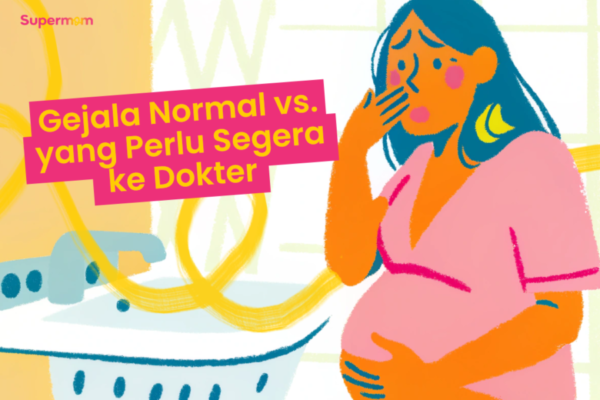
Symptoms that are normal (and will pass):
- Nausea and vomiting — experienced by 70-80% of pregnant women, especially in the morning (but can be all day). Usually improves in weeks 12 to 16.
- Extreme fatigue — your body is working hard. Getting more sleep isn’t laziness, it’s a necessity.
- Breasts are painful and enlarged — hormones are working hard.
- Frequent urination — the enlarging uterus presses on the bladder.
- Mood changes — up and down like a roller coaster? Normal. The hormones estrogen and progesterone are experiencing large fluctuations.
- Lust or not, hate certain foods — this is also normal and not yet fully understood by science. If you suddenly hate the smell of the coffee you once loved, welcome to the club.
Call a doctor immediately if:
- Bleeding from the vagina (even a little)
- Very severe stomach cramps
- Pain on one side of the abdomen (could be a sign of an ectopic pregnancy)
- Nausea and vomiting so severe that you can’t drink at all (hyperemesis gravidarum)
- High fever
- Pain when urinating (can be a sign of a urinary tract infection)
Don’t delay, don’t wait “later”. When in doubt, it’s better to check.
3. Nutrition: What to Eat Now?
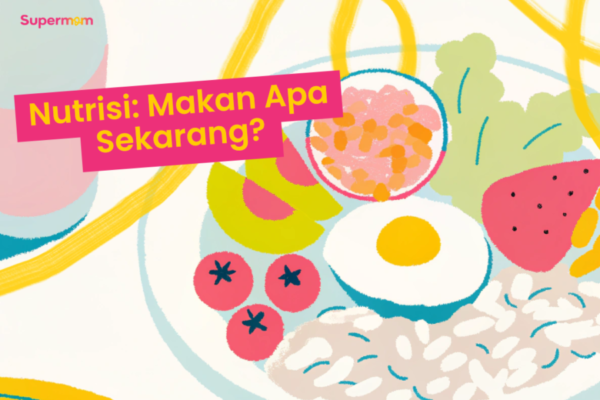
The good news: You don’t need to “eat for two” as the myth goes. The extra calories are actually only around 300 kcal per day – the equivalent of two slices of wholemeal toast with one egg. Not allowed to eat a pint of ice cream every night (even if it feels fair).
What must be on the menu:
- Proteins — eggs, chicken, fish, tofu, tempeh, nuts. Protein is the raw material for the formation of baby cells.
- Folic acid — dark green vegetables (spinach, broccoli), oranges, peas. It is very important to prevent neural tube defects.
- Iron — lean red meat, chicken livers, spinach, red beans. Iron requirements increase drastically during pregnancy.
- Calcium — milk, yogurt, cheese, anchovies, broccoli. For baby bones and teeth.
- Omega-3 — salmon, mackerel, walnuts. For baby’s brain development.
Things to avoid:
- Fish with high mercury content (sharks, swordfish, tilefish)
- Undercooked meat or eggs
- Unpasteurized soft cheese
- Alcohol (absolutely no “safe limit”)
- Excess caffeine — limit it to under 200mg per day (about 1-2 cups of coffee)
- Junk food and ultra-processed food in large quantities
4. Supplements That Should Not Be Missed
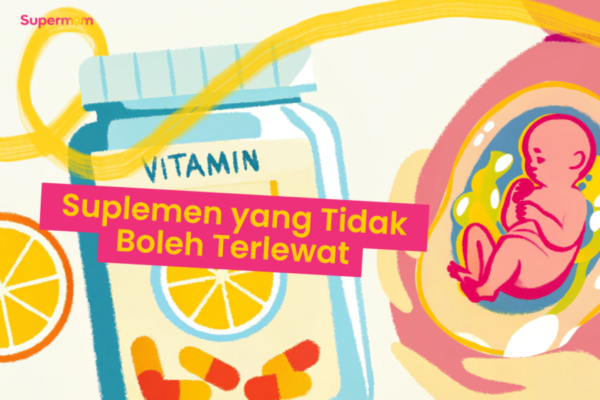
Even if you eat healthy, pregnancy supplements are still important because nutritional needs during pregnancy increase significantly.
Folic acid (folate/folic acid)
This is the most crucial — ideally it has been consumed before pregnancy. Folic acid prevents neural tube defects that form in the first 28 days of pregnancy. Recommended dosage: 400-600 mcg per day.
Iron
Pregnancy’s iron needs are almost double normal needs. Iron deficiency (anemia) is one of the most common pregnancy problems in Indonesia.
Calcium
To support the development of baby’s bones and teeth, while maintaining your own bone density.
Vitamin D
Important for calcium absorption and baby’s immune development. Many pregnant women in Indonesia are deficient in vitamin D.
DHA/Omega-3
For baby’s brain and eye development. This could be from supplements or consuming fish twice a week.
Important: Don’t buy supplements randomly. Ask your doctor to recommend supplements that suit your condition. Not all supplements are suitable for everyone.
5. Examinations that must be carried out in the first trimester
Don’t delay your first visit to your obstetrician or midwife. Ideally done before 10 weeks of gestation.
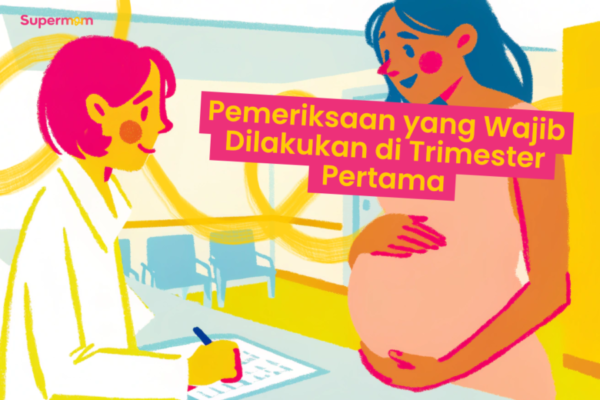
Examinations that are usually carried out:
- Ultrasound to confirm intrauterine pregnancy (not ectopic) and calculate gestational age
- Check blood pressure
- Check your weight
- Complete blood test (hemoglobin, blood type, Rh factor)
- Urine test
- HIV, hepatitis B and syphilis screening (WHO standard for all pregnant women)
After the first examination, the control schedule is usually once every 4 weeks during the first and second trimesters.
6. Tips for Talking to Your Boss About Pregnancy (Especially for Working Moms)
This is separate homework for working moms: when and how to tell your boss?
There are no fixed rules, but some considerations:
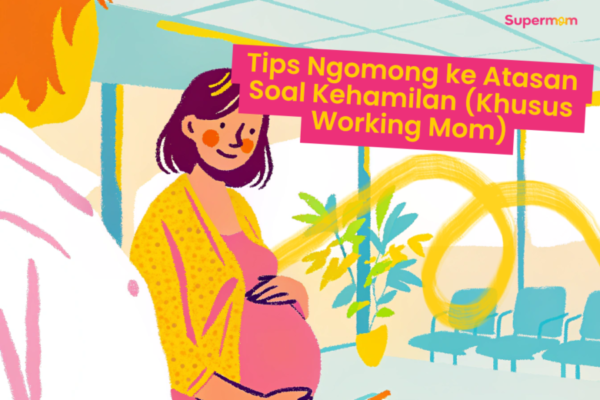
- Wait until week 12-14 if possible — the risk of miscarriage drops dramatically after the first trimester.
- Let us know early if your job involves risks — exposure to chemicals, radiation, heavy lifting, or intense travel that needs to be adjusted.
- Prepare a transition plan before telling. Your boss will be calmer if you have an idea of work arrangements during pregnancy and maternity leave.
- Know your rights — The Indonesian Labor Law protects pregnant women from layoffs due to pregnancy and provides the right to 3 months maternity leave (1.5 months before + 1.5 months after giving birth)
7. Severe Nausea? This is the trick
Nausea in the first trimester can really interfere with activities. Some tricks that have proven to help:
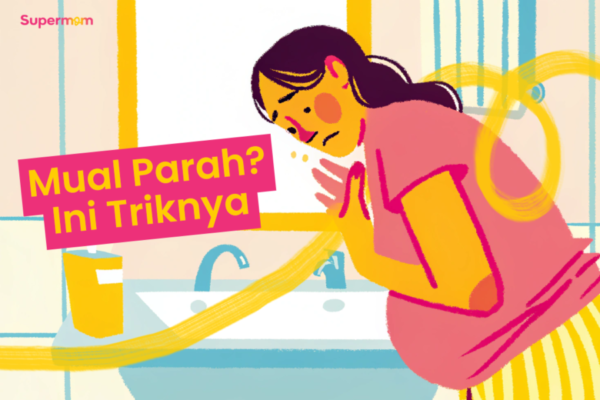
- Eat small portions but often — an empty stomach actually makes nausea worse.
- Consume dry biscuits or white bread before getting out of bed — this helps stabilize blood sugar levels that drop in the morning.
- Ginger — warm ginger tea or ginger candy can help relieve nausea.
- Avoid triggering odors — everyone is different. Find your “enemy” and avoid it.
- Vitamin B6 — some studies show it is effective for pregnancy nausea. Ask a doctor.
- Acupressure — pressing the P6 point on the wrist (you can use an anti-motion sickness bracelet) sometimes helps.
If the nausea is so severe that you can’t drink and has a significant impact on your weight, contact your doctor immediately — it could be a sign of hyperemesis gravidarum that requires special treatment.
8. Exercise: Stay Active, But Wisely
Pregnancy is not a reason not to move — quite the opposite. Light exercise during pregnancy has been proven to help reduce nausea, increase energy, and make delivery easier.
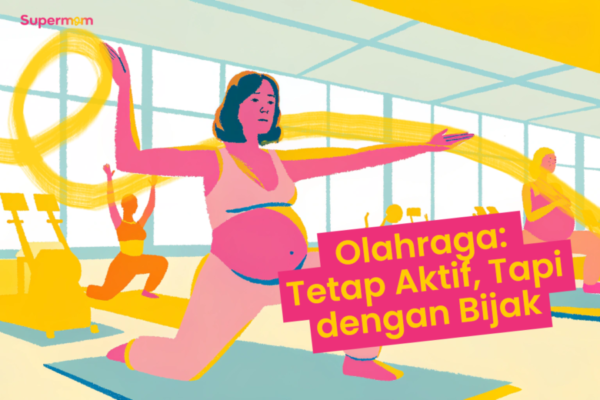
What is safe in the first trimester:
- Take a leisurely walk of 30 minutes per day
- prenatal yoga
- Swimming (with clean water)
- Light Pilates
Things to avoid:
- Contact sports or those with a risk of falling
- Exercise lying on your back for long periods
- Very high intensity exercise
- Dive
Always consult your exercise program with your obstetrician, especially if you haven’t exercised regularly before.
9. Mental Self-Care: Take Care of Your Inner Health
Mental health in the first trimester is often overlooked because the focus is on physical symptoms. In fact, drastic hormonal changes can really affect your mood.

- Anxiety is normal. You have just received life-changing news. It’s normal to have mixed feelings — even if the pregnancy was planned and wanted.
- Tell me how you feel to a partner or trusted person. Keeping it all to yourself is hard.
- Limit excessive googling — “doctor google” often gives the worst results and makes you anxious for no reason.
- Join the community pregnant women or supportive parenting. Supermom has this community for you!
- If you feel very sad, excessively anxious, or have disturbing thoughts — talk to a doctor. Antenatal depression (depression during pregnancy) is real and can be treated.
10. Questions Frequently Asked by Pregnant Women in the 1st Trimester
“Is it permissible to have sexual relations during early pregnancy?”
In a normal pregnancy without complications, yes you can. Consult a doctor if there is a history of miscarriage or placenta previa.
“Can I get on the plane?”
Generally safe in the first trimester. But inform the airline and make sure your travel insurance covers pregnancy.

“Can I dye my hair?”
It’s best to postpone it, especially in the first trimester when the baby’s organs are forming. If necessary, use ammonia-free products and consult a doctor.
“When will the baby bump start to show?”
For first pregnancies, it is usually only visible at 12-16 weeks. For second and subsequent pregnancies, it can be faster.
WELCOME on the Most Extraordinary Journey of Your Life

The first trimester is full of challenges. Nausea, fatigue, anxiety, and a million questions. But behind all that, there is a miracle growing in your body.
Every day you go through — even if you only manage to eat a little, even if you only sleep all day — you are doing something extraordinary.
Supermom is always there to accompany you every step of this journey. From the first trimester which is full of surprises, to the first moment you hold your little one.
Congratulations, Moms. The most beautiful journey of your life has just begun. 🌱
This article was prepared based on guidelines from the Indonesian Ministry of Health, WHO, and the American College of Obstetricians and Gynecologists. The information here is general in nature and does not replace direct consultation with your trusted obstetrician or midwife.
PakarPBN
A Private Blog Network (PBN) is a collection of websites that are controlled by a single individual or organization and used primarily to build backlinks to a “money site” in order to influence its ranking in search engines such as Google. The core idea behind a PBN is based on the importance of backlinks in Google’s ranking algorithm. Since Google views backlinks as signals of authority and trust, some website owners attempt to artificially create these signals through a controlled network of sites.
In a typical PBN setup, the owner acquires expired or aged domains that already have existing authority, backlinks, and history. These domains are rebuilt with new content and hosted separately, often using different IP addresses, hosting providers, themes, and ownership details to make them appear unrelated. Within the content published on these sites, links are strategically placed that point to the main website the owner wants to rank higher. By doing this, the owner attempts to pass link equity (also known as “link juice”) from the PBN sites to the target website.
The purpose of a PBN is to give the impression that the target website is naturally earning links from multiple independent sources. If done effectively, this can temporarily improve keyword rankings, increase organic visibility, and drive more traffic from search results.

Related Posts

82% Net Zero target has not been verified by scope 3 emission data, so a critical issue in corporate climate strategies
Situs Slot Online dengan Metode Deposit Terlengkap